Weekly Planner Interior: A Practical Foundation for Low Content Publishing
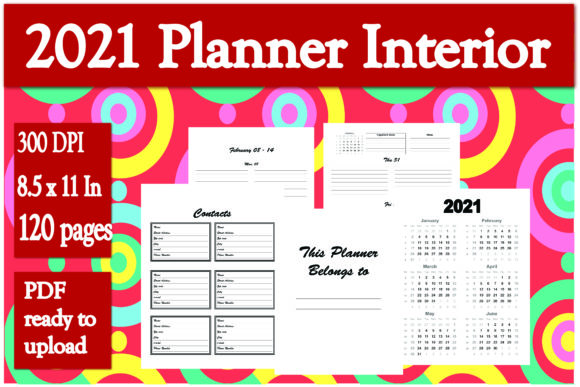
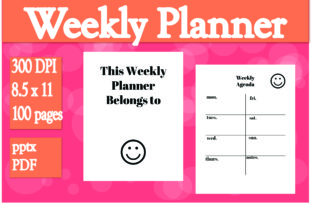
Building a sustainable low content or no content business often comes down to the quality of your foundational assets. The Weekly Planner Interior is designed specifically to bridge the gap between a generic template and a polished, market-ready product. At its core, this resource provides a complete 100-page layout formatted at the industry-standard 8.5 x 11 inches with 300 DPI resolution, ensuring that every line and header prints crisply whether you are using Amazon KDP, Lulu, or a local print shop. Unlike many restrictive templates, this package includes an editable PPTX file alongside the ready-to-upload PDF, giving you full control to customize the experience for your specific audience without needing advanced graphic design skills.
Why Editability Matters in Planner Design
The inclusion of a PowerPoint source file changes how you interact with this interior. In the low content space, saturation is a real concern. If you upload a PDF exactly as provided, you risk having a product identical to dozens of others. The PPTX file allows you to make strategic adjustments that align with current trends or niche requirements. You might decide to change the font pairing to appeal to a minimalist aesthetic, adjust the margin sizes to accommodate spiral binding, or add a specific motivational quote section that resonates with a particular demographic.
This flexibility is crucial because different users plan differently. A teacher needs space for lesson objectives and student notes, while a freelance graphic designer might prioritize project milestones over hourly scheduling. By starting with this Weekly Planner Interior, you aren't just buying a static document; you are acquiring a malleable framework. The "This Weekly Planner belongs to" page serves as a professional anchor, but even this can be modified in the PPTX to say "Student Planner," "Fitness Journal," or "Business Organizer," instantly repositioning the product for a new market segment.
Real-World Applications for Entrepreneurs and Creators
For those running a publishing business, speed and quality must coexist. This interior solves the technical headache of formatting. Setting up a 100-page document with consistent margins, bleed settings, and high-resolution graphics takes hours of tedious work. With this pre-formatted interior, that time is reclaimed for keyword research, cover design, and marketing. The 300 DPI specification is non-negotiable for print quality; blurry lines lead to bad reviews and returns. Knowing the technical baseline is solid allows you to focus entirely on the creative packaging and niche selection.
Consider the scenario of a blogger who wants to launch a branded merchandise line. Instead of hiring a designer to create a planner from scratch, they can use this interior as a base. They can insert their logo, adjust the color scheme to match their website, and offer a physical product that complements their digital content. Because there are no watermarks, the final product looks entirely proprietary. This seamless integration helps build brand authority and provides an additional revenue stream without significant upfront investment.
Diverse Use Cases Beyond Standard Planning
While the name suggests general planning, the structure of this Weekly Planner Interior supports various specialized functions when customized effectively. Educators often repurpose weekly layouts for homeschooling trackers or classroom management logs. The open nature of the weekly spread allows for flexible recording of assignments, attendance, or behavioral observations. By tweaking the headers in the PPTX file, a generic planner becomes a specialized educational tool that addresses specific pain points for teachers and parents.
In the health and wellness sector, consistency is key. Coaches and nutritionists frequently need clients to track habits alongside their schedules. This interior provides the grid necessary for habit stacking, meal prep notes, or workout logging. A wellness entrepreneur could modify the "This Weekly Planner belongs to" page to include a disclaimer or a coaching affirmation, transforming a standard organizer into a guided wellness journal. The 100-page count offers enough duration for a substantial quarterly program or a slim annual overview, depending on how the pages are utilized.
Freelancers and small business owners also benefit from the structured yet adaptable layout. Client meetings, invoice tracking, and project deadlines often get lost in digital noise. A physical planner derived from this interior can serve as a dedicated business command center. Since the file is editable, a virtual assistant could create client-specific planners with personalized covers and internal branding, adding value to their service packages. The ability to deliver a tangible, customized planning tool distinguishes their offering in a crowded digital marketplace.
Technical Considerations Before You Publish
Before integrating this Weekly Planner Interior into your workflow, it is important to understand the production realities. While the 8.5 x 11 dimension is standard for US Letter size, always verify the trim size requirements of your chosen printing platform. If you plan to sell internationally, consider whether A4 might be more appropriate for certain markets, which would require resizing the PPTX elements. The 300 DPI resolution ensures clarity, but you should always order a proof copy before launching. Screen rendering differs from ink on paper, and checking the gutter margin is essential to ensure writing space isn't lost in the binding.
Licensing and usage rights are another critical factor. Ensure you understand the commercial terms associated with the file. Typically, these interiors allow for unlimited end products, but prohibit reselling the source file itself. Respecting these boundaries protects your business and the creator ecosystem. Additionally, while the PPTX file offers freedom, maintain design consistency. Drastic changes to fonts or spacing on random pages can disrupt the user experience. Treat the template as a style guide to ensure the final 100 pages feel cohesive and professional.
Maximizing Value Through Strategic Customization
The true value of this product lies in how you leverage the editable components to solve specific problems. A generic weekly planner competes with millions of others. A "Weekly Planner for New Moms" or "ADHD-Friendly Weekly Organizer" competes in a much smaller, more engaged pool. Use the PPTX file to add niche-specific prompts, checklists, or reference pages that add utility beyond simple date tracking. Perhaps you add a monthly budget tracker every four weeks or a gratitude reflection section on Sundays. These small modifications, enabled by the editable format, significantly increase perceived value.
Marketing your finished planner also benefits from the clean, watermark-free design. When creating mockups or promotional videos, you can showcase actual interior pages that look professional and trustworthy. Customers want to see exactly what they are buying. High-quality screenshots of the crisp 300 DPI layout build confidence. For digital sellers, offering the planner as a printable PDF option expands your reach to customers who prefer immediate access or tablet planning. The versatility of the source files supports both physical and digital distribution strategies.
Ultimately, this Weekly Planner Interior serves as a reliable engine for your low content business. It removes the technical barriers to entry while providing the creative latitude necessary to stand out. Whether you are a seasoned publisher looking to streamline production or a newcomer testing your first niche, the combination of print-ready PDFs and editable PPTX files offers a balanced solution. By focusing on real user needs and leveraging the customization potential, you can transform a standard template into a valuable resource that serves specific communities and generates sustainable results.